
By RamaKrishna M, Senior Editor ,
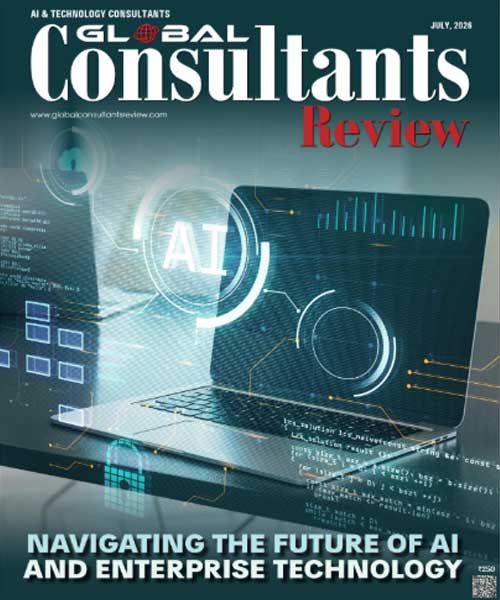
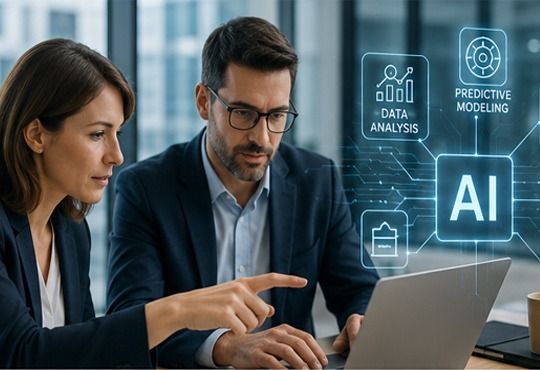 Artificial Intelligence (AI) has become one of the most influential technologies shaping the global consulting industry. What began as an experimental tool for automating repetitive tasks has evolved into a strategic capability that helps consultants deliver deeper insights, improve operational efficiency, and solve complex business problems faster than ever before.
In 2026, consulting firms of every size—from multinational advisory companies to boutique consulting agencies—are integrating AI into their daily workflows. Rather than replacing consultants, AI is enhancing their capabilities by automating research, analyzing large datasets, predicting business trends, and generating actionable recommendations. The result is a consulting industry that is faster, more data-driven, and increasingly focused on delivering measurable value to clients.
Organizations across industries, including healthcare, manufacturing, financial services, education, retail, logistics, and government, are seeking consultants who can combine industry expertise with AI-powered insights. As digital transformation accelerates, consultants who understand AI are becoming indispensable partners for business leaders navigating rapid technological change.
The consulting profession has always relied on gathering information, analyzing data, identifying opportunities, and recommending strategies. AI significantly enhances each of these stages.
Modern AI systems can process millions of documents, financial reports, customer reviews, market trends, and operational metrics within minutes. Instead of spending days collecting and organizing information, consultants can focus on interpreting results and developing strategic recommendations.
AI also enables consultants to identify patterns that would be difficult for humans to detect manually. These insights often lead to better forecasting, more accurate risk assessments, and stronger business strategies.

Market research has traditionally required extensive manual effort. Consultants often spend weeks gathering industry reports, competitor information, consumer trends, and financial data before beginning their analysis.
"AI will probably most likely lead to the end of the world, but in the meantime, there'll be great companies." - Sam Altman, CEO of OpenAI
Today, AI-powered research tools dramatically reduce this workload by:
With AI handling large-scale data collection, consultants can devote more time to interpreting findings and creating customized recommendations.

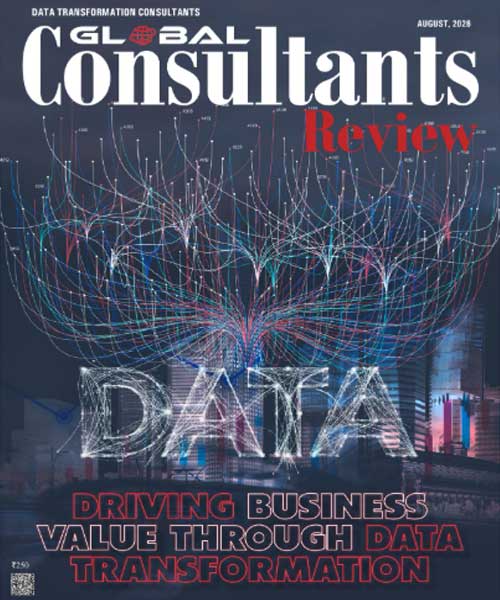
Businesses generate enormous volumes of data every day. Customer interactions, sales records, supply chain information, website analytics, social media engagement, and financial transactions all provide valuable insights.
AI allows consultants to analyze these massive datasets quickly and accurately.
Some common applications include:
Instead of relying solely on historical trends, AI models continuously learn from new data, providing consultants with more accurate predictions and business recommendations.
One of the greatest strengths of AI is its ability to support strategic decision-making.
Consultants frequently advise executives on questions such as:
AI can simulate multiple business scenarios using historical data and predictive modeling.
Rather than presenting a single recommendation, consultants can now show executives several possible outcomes based on different market conditions.
This enables business leaders to make more informed decisions while understanding the associated risks and opportunities.
Speed has become a major competitive advantage in consulting.
Clients expect rapid insights without sacrificing quality.
AI helps consultants accelerate numerous tasks, including:
Although consultants still review and refine every deliverable, AI significantly reduces preparation time.
This allows firms to serve more clients while maintaining high-quality standards.
Every organization faces unique challenges.
AI enables consultants to create highly customized recommendations by analyzing client-specific information such as:
Rather than offering generic best practices, consultants can develop tailored strategies aligned with each client's objectives.
This level of personalization strengthens client relationships and improves implementation success.
Financial consultants are among the earliest adopters of AI technologies.
Common applications include:
Machine learning models continuously analyze financial indicators, helping consultants identify opportunities and potential risks before they become significant problems.
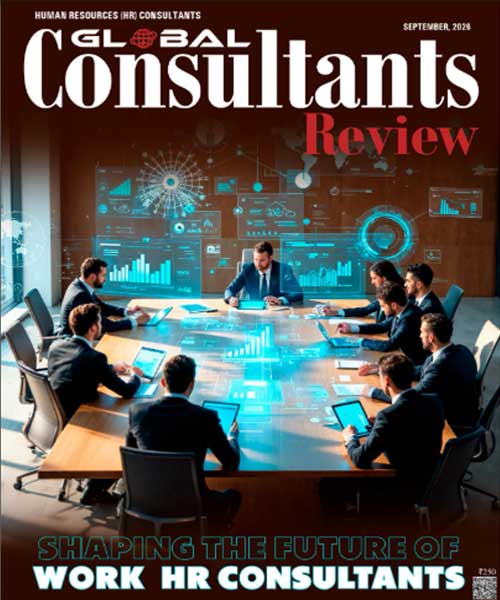
HR consulting has also experienced significant transformation.
AI assists consultants in:
Consultants can help organizations build stronger workforces by combining AI insights with human judgment.
Operations consultants use AI to optimize manufacturing, logistics, procurement, and supply chains.
Examples include:
AI identifies operational bottlenecks quickly, allowing consultants to recommend improvements that reduce costs and improve productivity.
Digital transformation remains one of the fastest-growing consulting segments.
Organizations adopting cloud computing, automation, cybersecurity, and advanced analytics increasingly require AI expertise.
Consultants now help businesses:
Successful AI adoption depends as much on organizational change as it does on technology.
Consultants play a critical role in guiding this transformation.
Customer experience consulting has become increasingly data-driven.
AI analyzes customer interactions across:
Consultants use these insights to improve:
Businesses that understand customer behavior are better positioned to increase retention and revenue.
Generative AI has become an important productivity tool for consultants.
It assists with:
However, consultants continue to validate all AI-generated content to ensure accuracy, compliance, and relevance.
Human expertise remains essential.
As AI adoption grows, ethical consulting practices become increasingly important.
Consultants must address issues including:
Organizations expect consultants to establish AI frameworks that balance innovation with accountability.
The consulting profession is evolving rapidly.
Today's successful consultants increasingly require expertise in:
Combining technical capabilities with traditional consulting skills creates a powerful competitive advantage.
Despite its benefits, AI implementation presents several challenges.
Organizations frequently encounter:
Consultants help businesses overcome these barriers through structured implementation roadmaps and change management strategies.
While AI is transforming consulting, it cannot replace human expertise.
Successful consulting depends on:
AI provides insights, but consultants determine how those insights should influence business decisions.
The future belongs to consultants who effectively combine human intelligence with artificial intelligence.
The consulting industry is entering a new era where AI becomes a standard component of every engagement.
Over the next several years, AI capabilities will continue expanding into predictive strategy, autonomous analytics, intelligent automation, and industry-specific advisory solutions.
Consulting firms that invest in AI training, responsible governance, and continuous innovation will be well-positioned to serve increasingly sophisticated client needs.
Rather than replacing consultants, AI is reshaping the profession by enabling experts to focus on higher-value work—solving complex business challenges, fostering innovation, and delivering strategic impact. Businesses seeking competitive advantage will continue relying on consultants who understand both emerging technologies and the human dimensions of organizational change.
Artificial Intelligence is no longer a future trend—it is now a fundamental part of modern consulting. From market research and operational optimization to financial planning, customer experience, and digital transformation, AI empowers consultants to deliver smarter, faster, and more accurate advice.
However, technology alone cannot guarantee success. The most effective consultants combine AI-driven insights with experience, creativity, critical thinking, and ethical leadership. As organizations continue their digital transformation journeys, consultants who embrace AI responsibly will become trusted advisors capable of guiding businesses through an increasingly complex and competitive landscape.
The future of consulting is not about humans versus AI—it is about humans working alongside AI to create better decisions, stronger businesses, and sustainable growth.
We use cookies to ensure you get the best experience on our website. Read more...