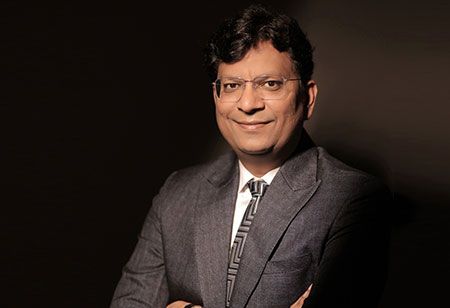
By Ajay Gupta, Principal Consultant & Founder, Perceptive Ideas Consulting Engineers Pvt. ltd.
 The built environment is undergoing a profound transformation. Structural engineering, once perceived primarily as a discipline of strength and stability, is now at the forefront of shaping resilient, sustainable, and human-centric spaces. Today, our responsibility extends far beyond designing safe structures — we are custodians of long-term performance, environmental stewardship, and community well-being.
The future of structural engineering lies in integration — integrating resilience with sustainability, innovation with practicality, and technology with human needs.
Designing for Resilience in an Era of Uncertainty
Climate change, rapid urbanization, and increasing infrastructure demands have redefined the benchmarks of structural performance. Buildings are no longer designed merely to withstand loads; they must endure extreme weather events, seismic disturbances, material degradation, and changing usage patterns over decades.
Resilience today means adaptability. It means designing structures that can perform under unforeseen stress without catastrophic failure. Performance-based design methodologies, nonlinear analysis, structural health monitoring systems, and advanced material modeling are becoming central to responsible engineering practice.
But resilience is not only structural — it is economic and social. Efficient structural systems reduce lifecycle costs, minimize repair interventions, and ensure continuity of operations in critical infrastructure such as hospitals, hospitality projects, and commercial hubs.
Sustainability as a Structural Imperative
Sustainability in structural engineering is no longer optional; it is fundamental. The construction sector contributes significantly to global carbon emissions, with embodied carbon in materials like concrete and steel forming a major portion.
Reimagining structural design means optimizing material usage through:
Smart structural optimization can significantly lower embodied carbon without compromising safety. Integrating supplementary cementitious materials, recycled steel, and advanced construction techniques contributes to greener outcomes.
However, sustainability must be evaluated holistically. A structurally efficient building reduces not only material consumption but also operational energy demand through intelligent structural layouts that support better façade design, natural ventilation, and daylight optimization.
Structural engineers must now collaborate closely with architects, MEP consultants, and sustainability experts to create buildings that are environmentally responsible from conception to demolition.
Digital Transformation: BIM as a Catalyst
Technology is revolutionizing the structural engineering landscape. Building Information Modeling (BIM) has moved from being a coordination tool to becoming a strategic design platform.
Through BIM-enabled workflows, engineers can:
Digital modeling improves accuracy, reduces rework, and shortens project timelines. More importantly, it supports data-driven decision-making. When structural systems are simulated and tested virtually, the margin for uncertainty reduces significantly.
The integration of AI-driven analysis tools, parametric modeling, and performance simulations is further enhancing our ability to design smarter and more responsive structures.
Human-Centric Structural Design
Perhaps the most important shift in structural engineering is the move toward human-centric design.
Structures are not abstract frameworks of concrete and steel; they shape experiences. The comfort of occupants, the perception of safety, vibration control in hospitality spaces, acoustic considerations in commercial buildings, and long-span flexibility in public infrastructure all directly impact human interaction with space.
Human-centric structural engineering considers:
In premium hospitality and commercial environments, structural design must seamlessly align with architectural vision while maintaining efficiency and constructability. The true measure of structural excellence lies in enabling architectural intent without structural compromise.
The Way Forward: Innovation with Responsibility
The next decade will demand structural engineers to think beyond conventional boundaries. Urban density will increase, infrastructure will age, and environmental regulations will tighten. We must respond with innovation anchored in responsibility.
This includes:
Resilient, sustainable, and human-centric built environments are not separate goals — they are interconnected outcomes of thoughtful structural design.
As engineers, we carry the responsibility of shaping skylines and communities alike. By combining technical excellence with environmental consciousness and digital innovation, structural engineering can lead the transformation of the built world.
The future is not just about building stronger structures — it is about building smarter, greener, and more humane spaces for generations to come.
We use cookies to ensure you get the best experience on our website. Read more...