
By Global Consultants Review Team ,
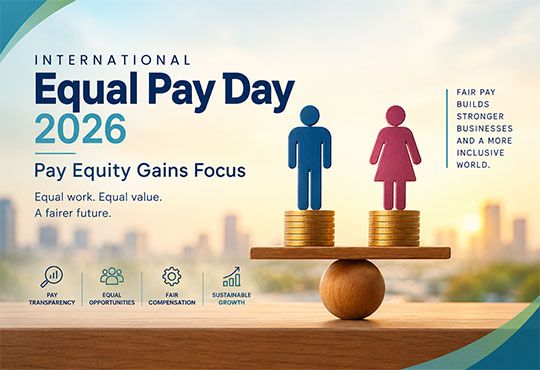
As the world observes International Equal Pay Day 2026 today, 18 September, equal pay for work of equal value is once again in focus for governments, businesses and HR leaders. The United Nations recognizes 18 September as International Equal Pay Day, a day dedicated to advancing equal remuneration and addressing persistent gender pay gaps worldwide.
The issue remains significant. The United Nations reports that women globally earn about 20% less than men, while women in the health and care sector face an even larger pay gap, earning on average 24% less than male counterparts. The UN also points to factors including occupational segregation, unpaid care responsibilities, motherhood penalties, hiring practices and promotion decisions as contributors to persistent pay inequality.
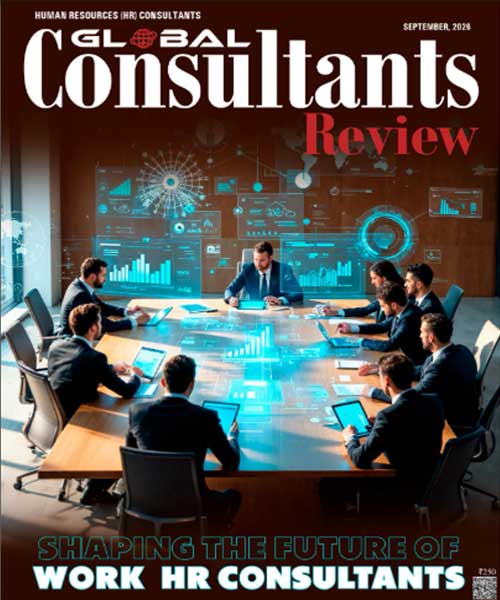
For companies, the conversation is increasingly moving beyond salary adjustments toward pay equity, compensation strategy, workforce analytics and pay transparency. This is creating a growing role for HR consultants, compensation advisers and management consulting firms that help organizations evaluate how jobs are structured, valued and rewarded.
The OECD's 2026 research shows that pay transparency is gaining momentum. By the end of 2026, 84% of OECD countries are expected to require private-sector gender pay-gap reporting, compared with 55% currently. The OECD also reports that gender-neutral job evaluation and classification are becoming important tools for comparing the value of different roles objectively.
The broader impact of equal opportunity was highlighted by Neha Singh, financial leader and founder of Womoneysta said :
“When women are given equal opportunities, they don't just change their own lives, they improve the lives of their families and the next generation.”
Singh's comments underline why equal pay cannot be viewed in isolation from equal opportunity. Recruitment, promotion, leadership representation, career progression, maternity support and access to professional development can all influence an employee's long-term earnings. UN Women notes that Singh has more than 14 years of corporate experience in India's financial industry and strategy consulting.
For the consulting industry, this creates several areas of focus. Organizations are increasingly examining compensation data by gender, job level, function, experience and location to identify unexplained differences. Consultants can also support pay equity audits, job evaluation, salary benchmarking, compensation design and pay transparency strategies.
The OECD says full-time working women across OECD countries still earn approximately 90 cents for every dollar earned by full-time working men. Its 2026 report emphasizes that gender-neutral job evaluation can help organizations systematically compare the value of work using objective criteria.
As businesses mark International Equal Pay Day 2026, the focus is therefore shifting from awareness to measurable action. Transparent compensation structures, reliable workforce data and objective job evaluation are becoming increasingly important components of modern HR strategy and organizational transformation.
For businesses and consulting leaders, the message is increasingly clear that pay equity is not only a compensation issue it is closely connected to talent strategy, workforce planning, employee trust and sustainable business growth.
We use cookies to ensure you get the best experience on our website. Read more...