
By Global Consultants Review Team ,
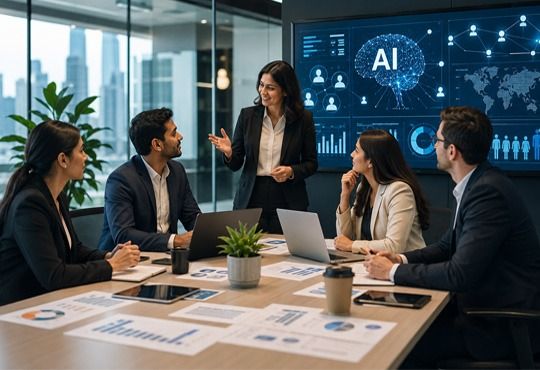
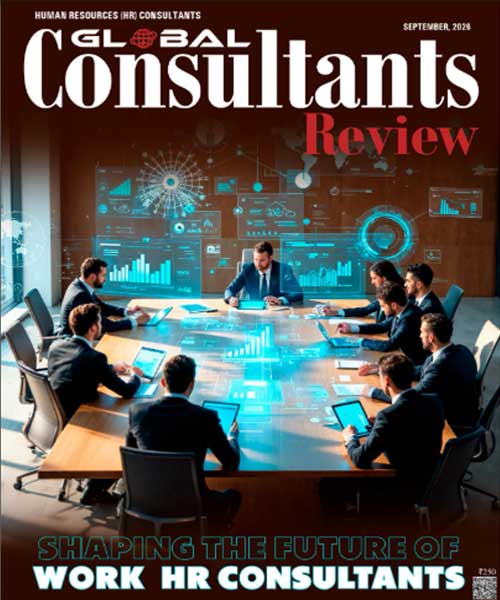
As artificial intelligence continues to reshape the global consulting landscape, PwC has intensified its focus on recruiting professionals with AI and digital expertise, signaling a significant shift in how HR consulting firms approach talent acquisition and workforce development. The move reflects a growing industry trend where skills-based hiring is taking precedence over traditional job roles, enabling consulting firms to better serve clients navigating digital transformation.
PwC's evolving workforce strategy emphasizes hiring professionals with expertise in artificial intelligence, machine learning, data analytics, software engineering, and cloud technologies. Rather than relying solely on conventional consulting or accounting backgrounds, the firm is seeking multidisciplinary talent capable of combining technical knowledge with business strategy.
The firm's leadership has indicated that the future consulting workforce will increasingly comprise professionals who can collaborate effectively with AI tools while delivering strategic insights to clients. As automation takes over repetitive tasks, consultants are expected to focus more on complex decision-making, innovation, client relationships, and organizational transformation.
According to PwC's latest AI Jobs Barometer, demand for AI-enabled roles continues to outpace traditional professional positions. The report suggests that jobs requiring AI-related skills are experiencing faster growth and stronger salary increases than many conventional occupations. These findings reinforce the need for organizations to redesign workforce strategies around evolving skill requirements rather than fixed job descriptions.
Beyond external hiring, PwC is investing heavily in employee upskilling. The firm has expanded AI learning initiatives that help existing professionals develop competencies in generative AI, data-driven decision-making, prompt engineering, automation, and responsible AI governance. By strengthening internal capabilities, the company aims to ensure its workforce remains competitive while supporting clients through increasingly complex digital transformation projects.
The shift is also influencing the broader HR consulting industry. Consulting firms are now advising organizations on workforce planning, talent mobility, leadership development, succession planning, and AI adoption strategies. Clients increasingly seek guidance on identifying future skill gaps, redesigning organizational structures, and building learning cultures that enable employees to adapt continuously.
Highlighting the importance of aligning technology with people, Paul Griggs, US Senior Partner and CEO, PwC US, said, "AI is creating a workforce dividend—a growing pool of human capacity, expertise, and potential." He emphasized that organizations should use AI not merely to automate work but to redesign jobs, strengthen employee capabilities, and unlock new avenues for business growth.
Industry analysts believe HR consulting is moving toward a "skills-first" model, where organizations evaluate employees based on demonstrated capabilities instead of traditional qualifications or years of experience. This approach helps businesses respond more quickly to technological disruption while creating more flexible career pathways for employees.
The growing adoption of AI has also increased demand for ethical workforce practices. HR consultants are helping organizations establish governance frameworks that balance automation with human oversight, ensuring AI supports employees rather than replacing them. Responsible AI implementation, employee trust, transparency, and change management have become key priorities for consulting engagements.
Leadership development remains another critical focus area. As technology transforms workplace dynamics, organizations require leaders who can manage hybrid teams, foster innovation, and guide employees through continuous change. HR consulting firms are therefore expanding executive coaching and leadership programs designed to prepare managers for AI-driven business environments.
The latest developments indicate that the role of HR consultants is expanding well beyond recruitment and talent management. They are becoming strategic partners who help organizations redesign work, develop future-ready capabilities, and create resilient workforces capable of thriving in a rapidly evolving digital economy.
For businesses, the message is increasingly clear: investing in people remains just as important as investing in technology. Companies that combine AI adoption with continuous learning, employee development, and strategic workforce planning are expected to be better positioned for long-term growth.
We use cookies to ensure you get the best experience on our website. Read more...