
By Riddhi D, Senior Correspondent
 In an era where technology is evolving faster than ever, organizations across industries are under immense pressure to adapt, innovate, and remain competitive. From artificial intelligence and cloud computing to cybersecurity and data analytics, businesses are navigating a rapidly changing digital landscape.
As a result, technology consultants have emerged as strategic partners who help organizations leverage technology effectively, optimize operations, and drive sustainable growth.
Technology consulting has evolved far beyond traditional IT advisory services. Today's consultants are deeply involved in shaping business strategy, improving customer experiences, modernizing infrastructure, and enabling digital transformation initiatives. Their expertise helps organizations identify opportunities, overcome technological challenges, and implement solutions that deliver measurable business outcomes.
Organizations are increasingly investing in digital transformation initiatives to improve efficiency, reduce costs, and create new revenue streams. However, implementing advanced technologies without a clear strategy often leads to wasted investments and operational disruptions.
Technology consultants bridge the gap between business objectives and technological capabilities. They assess existing systems, identify weaknesses, recommend solutions, and oversee implementation processes. Their role is particularly valuable because they bring industry expertise, technical knowledge, and an external perspective that internal teams may lack.
According to industry analysts, global spending on digital transformation continues to grow as organizations prioritize automation, cloud migration, and AI-driven innovation. Technology consultants play a central role in helping enterprises maximize returns on these investments.
"Technology alone does not create competitive advantage. The real value comes from aligning technology initiatives with business goals and ensuring successful adoption across the organization," says Michael Reynolds, a digital transformation strategist.

Digital transformation has become a top priority for businesses worldwide. Whether in healthcare, manufacturing, finance, retail, or government sectors, organizations are embracing digital technologies to improve processes and customer experiences.
Technology consultants assist companies throughout the transformation journey by:
For example, manufacturers are leveraging Industrial Internet of Things (IIoT) technologies to improve operational efficiency, while retailers are adopting AI-powered personalization tools to enhance customer engagement. Consultants help ensure these technologies are integrated effectively and aligned with strategic objectives.
Organizations that successfully execute digital transformation initiatives often experience increased productivity, stronger customer loyalty, and improved market competitiveness.
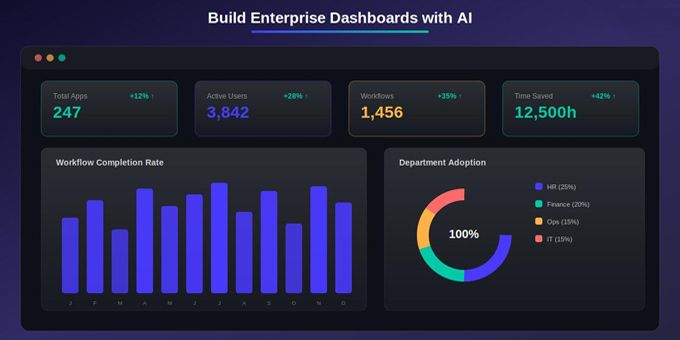
Artificial intelligence has become one of the most transformative technologies influencing businesses today. Organizations are exploring AI applications ranging from predictive analytics and intelligent automation to generative AI and machine learning.
Technology consultants are helping clients understand where AI can create value and how to implement it responsibly. Their responsibilities include:
Generative AI tools are particularly attracting attention due to their ability to automate content creation, customer support, software development, and business intelligence tasks.
"Artificial intelligence is no longer an experimental technology. It has become a business imperative for organizations seeking operational efficiency and innovation," notes Sarah Thompson, an enterprise technology advisor.
Despite the excitement surrounding AI, consultants emphasize the importance of responsible deployment. Ethical considerations, transparency, data privacy, and workforce impacts must all be carefully managed to ensure long-term success.
Cloud computing remains a cornerstone of modern digital transformation strategies. Organizations are increasingly moving applications, infrastructure, and workloads to cloud environments to improve scalability, flexibility, and resilience.
Technology consultants guide businesses through cloud migration initiatives by evaluating current infrastructure, selecting cloud providers, designing migration plans, and ensuring security requirements are met.
Key benefits of cloud adoption include:
Many organizations are adopting hybrid and multi-cloud strategies to avoid vendor lock-in and optimize performance. Consultants help businesses navigate these complex environments while maintaining operational efficiency.
Cloud modernization projects often serve as a foundation for implementing advanced technologies such as AI, data analytics, and automation solutions.

As organizations become increasingly digital, cybersecurity risks continue to rise. Cyberattacks, ransomware incidents, data breaches, and regulatory requirements have elevated cybersecurity from an IT concern to a boardroom priority.
Technology consultants help organizations strengthen their cybersecurity posture through comprehensive assessments, risk management frameworks, and security modernization initiatives.
Their services typically include:
Organizations are also embracing zero-trust security models that verify users and devices continuously rather than relying on traditional perimeter-based defenses.
"The cybersecurity landscape evolves daily. Organizations must move from reactive security measures to proactive resilience strategies," explains David Carter, a cybersecurity consultant.
As cyber threats grow more sophisticated, consulting expertise is becoming essential for businesses seeking to protect sensitive information and maintain stakeholder trust.

Data has become one of the most valuable assets for modern organizations. However, many businesses struggle to extract meaningful insights from the vast amounts of information they collect.
Technology consultants help organizations build data-driven cultures by implementing analytics platforms, improving data governance, and developing advanced reporting capabilities.
Areas where consultants provide value include:
Advanced analytics enables organizations to identify trends, anticipate customer needs, optimize operations, and improve decision-making processes.
As businesses continue generating larger volumes of data, the demand for consulting expertise in analytics and data management is expected to grow significantly.
Technology implementation alone does not guarantee success. Many digital transformation initiatives fail because organizations underestimate the human side of change.
Technology consultants increasingly serve as change management leaders, helping organizations prepare employees, manage transitions, and encourage technology adoption.
Successful change management strategies often include the following:
Consultants understand that digital transformation requires cultural shifts alongside technological upgrades. By addressing both aspects simultaneously, organizations can improve adoption rates and maximize return on investment.
Companies that prioritize change management are often more successful in achieving transformation objectives and sustaining long-term improvements.
Sustainability has become an important consideration for organizations worldwide. Businesses are under pressure from regulators, investors, customers, and employees to reduce environmental impacts and improve ESG performance.
Technology consultants are helping organizations leverage digital solutions to achieve sustainability goals. This includes implementing energy-efficient technologies, optimizing supply chains, improving resource utilization, and enhancing sustainability reporting capabilities.
Emerging technologies contributing to sustainability initiatives include:
Consultants play a critical role in identifying opportunities where technology investments can simultaneously improve business performance and environmental outcomes.
The consulting profession itself is evolving. Modern technology consultants require a blend of technical expertise, business acumen, leadership capabilities, and communication skills.
Some of the most sought-after competencies include:
Artificial intelligence and machine learning
Clients increasingly expect consultants to provide actionable business insights rather than simply technical recommendations. As a result, successful consultants must understand both technology and organizational strategy.
Continuous learning has become essential as technological advancements continue reshaping industries and business models.

Looking ahead, technology consulting is expected to become even more influential as organizations navigate increasingly complex digital environments. The convergence of AI, cloud computing, cybersecurity, automation, and data analytics will create new opportunities and challenges for businesses worldwide.
Technology consultants will likely focus on several emerging priorities:
Organizations will continue seeking trusted advisors who can help them evaluate technologies, mitigate risks, and accelerate growth.
"The future belongs to organizations that can combine technological innovation with strategic execution. Technology consultants will remain essential partners in helping businesses achieve that balance," says Rebecca Morgan, a Technology transformation leader.
Technology consultants have become indispensable partners in the modern business landscape. Their expertise enables organizations to navigate digital disruption, implement transformative technologies, and achieve long-term strategic objectives.
From AI adoption and cloud modernization to cybersecurity resilience and sustainability initiatives, consultants are helping businesses unlock new opportunities while managing risks. As technology continues to evolve, the demand for specialized consulting expertise is expected to grow even further.
Organizations that leverage technology consulting effectively can position themselves for innovation, operational excellence, and sustained competitive advantage. In a world where digital transformation is no longer optional, technology consultants are playing a defining role in shaping the future of business.
We use cookies to ensure you get the best experience on our website. Read more...