By Aditya Kumar, Senior Correspondent

Aditya Kumar, Senior Correspondent
The financial consulting industry is undergoing a major transformation in 2026. Businesses across industries are facing rapid technological change, evolving regulations, uncertain economic conditions, and increasing pressure to improve efficiency while maintaining sustainable growth.
As a result, financial consultants are no longer limited to traditional accounting, tax preparation, or budgeting services. Today, they play a strategic role in helping organizations make smarter decisions, adopt digital technologies, manage risks, and prepare for the future.
From artificial intelligence and cloud finance systems to ESG reporting and virtual CFO services, the consulting landscape is changing faster than ever before. Companies are actively searching for financial advisors who can combine technical expertise with strategic business understanding. Whether it is a startup looking for funding guidance or a multinational company planning digital transformation, financial consultants have become essential partners in business success.
Here are the top financial consulting trends to watch this year and how they are shaping the future of finance.
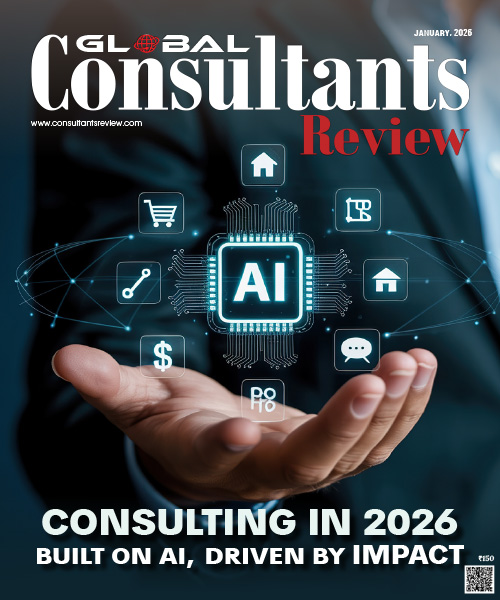
Artificial Intelligence (AI) is now one of the biggest forces reshaping the financial consulting industry. AI-driven technologies are helping consultants automate repetitive tasks, improve forecasting accuracy, and deliver deeper insights in less time.
Traditionally, financial analysis required manual data collection, spreadsheet modeling, and lengthy reporting processes. Today, AI-powered tools can analyze massive amounts of financial data within seconds. These systems can identify trends, predict future outcomes, detect irregularities, and provide recommendations based on historical performance.
Financial consultants are increasingly using AI for the following:
Businesses prefer consultants who can use AI tools effectively because they help reduce operational costs and improve decision-making speed. AI also allows consultants to focus more on strategic planning instead of administrative work.
Another growing trend is the use of generative AI in financial reporting and business intelligence. AI-generated summaries and dashboards are making financial communication easier for executives and stakeholders.
While AI improves efficiency, human expertise still remains critical. Businesses want consultants who can interpret AI-generated insights and apply them strategically.
Environmental, Social, and Governance (ESG) considerations are becoming a central part of financial decision-making. Investors, governments, and consumers are increasingly expecting businesses to operate responsibly and transparently.
As a result, ESG consulting has emerged as one of the fastest-growing areas in financial advisory services.
Companies are seeking guidance on:
Financial consultants are helping businesses align their operations with global sustainability standards while also improving investor confidence.
Many investment firms now evaluate ESG performance before making investment decisions. Organizations with strong ESG scores are often viewed as lower-risk and more future-ready.
In addition, governments across several countries are introducing stricter sustainability disclosure regulations. Businesses that fail to comply may face reputational damage and regulatory penalties.
Financial consultants specializing in sustainable finance are becoming highly valuable because they help companies balance profitability with long-term environmental and social goals.
Data analytics has become a core component of modern financial consulting. Businesses today generate enormous amounts of financial and operational data. However, raw data alone has little value unless it is converted into actionable insights.
Financial consultants are increasingly using advanced analytics platforms to help organizations make smarter and faster decisions.
Real-time data analytics enables businesses to:
Consultants who understand data visualization and business intelligence tools are in high demand.
One major trend is the use of predictive analytics. Instead of only reviewing past performance, consultants are helping businesses anticipate future risks and opportunities. Predictive models can estimate sales performance, market demand, and financial risks with greater accuracy.
Another important area is scenario modeling. Businesses now want consultants who can simulate multiple economic conditions and recommend strategies for each situation.
Data-driven financial consulting is becoming essential because organizations need faster and more informed decision-making in a highly competitive market.
The rise of digital finance and cloud-based systems has increased the importance of cybersecurity in financial consulting.
Cyberattacks targeting financial systems are becoming more sophisticated each year. Data breaches, ransomware attacks, phishing scams, and online fraud can cause major financial and reputational losses for businesses.
As companies digitize their financial operations, consultants are increasingly expected to provide cybersecurity risk guidance.
Modern financial consultants are helping organizations:
Cybersecurity is no longer just an IT issue. Financial leaders now recognize it as a major business risk.
Financial consultants are also collaborating closely with cybersecurity teams to improve financial resilience and protect sensitive customer data.
Organizations operating in banking, fintech, e-commerce, healthcare, and insurance sectors are especially prioritizing cybersecurity-focused financial advisory services.
Cloud computing has transformed how businesses manage financial operations. Traditional accounting systems that relied on physical infrastructure are rapidly being replaced by cloud-based finance platforms.
Cloud finance solutions offer several advantages:
Financial consultants are playing a major role in helping businesses migrate to cloud-based systems.
Their responsibilities often include:
Businesses are increasingly investing in cloud finance ecosystems because they provide flexibility and efficiency in hybrid and remote work environments.
Cloud-based financial consulting is expected to grow significantly as more organizations prioritize digital transformation initiatives.
The demand for Virtual Chief Financial Officer (Virtual CFO) services is increasing rapidly, especially among startups and mid-sized companies.
Many businesses cannot afford a full-time CFO but still require high-level financial expertise. Virtual CFO services provide strategic financial leadership on a flexible and cost-effective basis.
A virtual CFO typically helps businesses with:
Virtual CFOs often work remotely and use cloud-based collaboration tools to manage client finances efficiently.
This trend has grown because businesses now prefer scalable consulting solutions that align with changing operational needs.
Startups particularly benefit from Virtual CFO services because they require financial guidance during critical growth phases without incurring high executive salaries.
The growing acceptance of remote work has also accelerated the adoption of virtual financial leadership models.
Financial regulations continue to evolve across industries and countries. Businesses are facing increasing pressure to comply with tax laws, data privacy regulations, anti-money laundering rules, and financial reporting standards.
Failure to comply can lead to heavy penalties, operational disruption, and reputational damage.
As a result, compliance consulting has become one of the most important areas in financial advisory services.
Financial consultants are helping organizations:
Cross-border businesses face even greater challenges because they must comply with multiple international regulatory frameworks.
The rapid growth of digital finance, cryptocurrencies, and fintech platforms has also introduced new compliance requirements.
Businesses increasingly rely on consultants who can monitor regulatory changes and implement proactive compliance strategies.
Fintech companies are changing the financial consulting landscape by introducing innovative digital solutions that improve efficiency and customer experience.
Financial consultants are increasingly partnering with fintech firms to provide modern financial services such as the following:
Fintech collaboration helps businesses streamline operations while reducing costs and improving accessibility.
For example, consultants now help companies integrate digital payment systems that enable faster transactions and better customer convenience.
Blockchain technology is another growing trend in financial consulting. Businesses are exploring blockchain for secure transactions, smart contracts, and transparent financial records.
Fintech innovation is especially important for startups and SMEs that want scalable financial infrastructure without investing heavily in traditional systems.
As fintech adoption increases, consultants who understand digital finance ecosystems will continue to see rising demand.
Economic uncertainty remains a major challenge for businesses worldwide. Inflation, supply chain disruptions, geopolitical tensions, and fluctuating markets are forcing organizations to prepare for multiple future scenarios.
Financial resilience consulting has therefore become a critical focus area.
Businesses are working with consultants to:
Scenario planning allows companies to evaluate how different economic conditions may affect revenue, expenses, and profitability.
Instead of relying on a single forecast, businesses now want flexible financial strategies that can adapt quickly to changing market conditions.
Financial consultants are helping organizations become more agile and prepared for uncertainty.
This trend is especially relevant for industries heavily impacted by global economic fluctuations such as manufacturing, retail, travel, logistics, and technology.
Small and medium-sized enterprises (SMEs) are becoming a major growth segment for financial consulting firms.
Unlike large corporations, SMEs often face unique challenges related to limited budgets, cash flow constraints, and rapid growth management.
As a result, many consultants are now offering customized financial solutions specifically designed for smaller businesses.
These services may include:
Digital consulting platforms are also making expert financial advisory services more accessible to SMEs.
Instead of expensive long-term contracts, many businesses now prefer subscription-based or project-based consulting models.
This shift is creating opportunities for financial consultants to serve a broader range of clients while delivering more personalized support.
SMEs are increasingly recognizing that professional financial guidance can improve long-term business sustainability and profitability.
Although automation and AI are transforming finance, human expertise continues to play an essential role in financial consulting.
Technology can analyze data and generate insights, but businesses still need experienced advisors who can:
Clients value consultants who combine technological skills with strong communication and problem-solving abilities.
Emotional intelligence, negotiation skills, and industry experience remain highly important in consulting relationships.
The future of financial consulting will likely involve collaboration between human expertise and intelligent technology rather than complete automation.
Consultants who continuously upgrade their skills and adapt to digital transformation will remain highly competitive in the evolving financial landscape.
The financial consulting industry in 2026 is becoming more technology-driven, data-focused, and strategically integrated into business operations than ever before. Businesses are no longer seeking consultants only for accounting or tax support. They want strategic advisors who can help them navigate digital transformation, regulatory complexity, cybersecurity risks, sustainability goals, and economic uncertainty.
Key trends such as AI-powered consulting, ESG finance, cloud-based financial systems, fintech collaboration, cybersecurity advisory, and virtual CFO services are reshaping how financial consulting firms operate and deliver value.
At the same time, personalized consulting for SMEs and increased focus on financial resilience are expanding opportunities across industries.
As technology continues to evolve, financial consultants who combine analytical expertise with strategic thinking and digital capabilities will play a crucial role in helping businesses achieve sustainable growth and long-term success.
Organizations that embrace these emerging financial consulting trends will be better prepared to adapt, compete, and thrive in an increasingly dynamic global economy.
What are the latest trends in financial consulting?
The latest trends in financial consulting include AI-driven analytics, ESG and sustainable finance advisory, virtual CFO services, cloud-based financial management, and cybersecurity risk consulting. Businesses are also focusing more on data-driven decision-making and regulatory compliance support.
How is AI changing financial consulting?
AI is transforming financial consulting by automating data analysis, improving financial forecasting, detecting fraud risks, and generating real-time business insights. It helps consultants deliver faster, smarter, and more accurate financial strategies for businesses.
Looking for a financial consultant? Browse our magazine sections of top-rated firms.
We use cookies to ensure you get the best experience on our website. Read more...