
By Riddhi D, Senior Correspondent ,
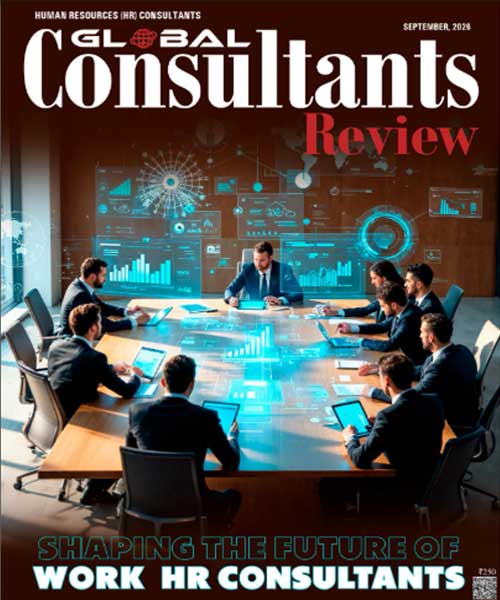
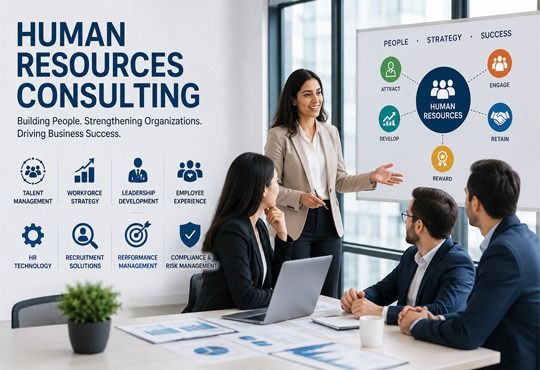 In today's fast-changing business environment, organizations face unprecedented challenges in attracting, developing, and retaining talent. Digital transformation, evolving employee expectations, globalization, hybrid work models, artificial intelligence, regulatory complexities, and demographic shifts have collectively transformed the way companies manage their workforce. As businesses navigate these challenges, Human Resources (HR) consulting has emerged as one of the most strategic functions supporting organizational growth and resilience.
Far beyond traditional recruitment or payroll management, modern HR consulting encompasses workforce planning, organizational transformation, leadership development, diversity and inclusion, compensation strategy, employee engagement, HR technology implementation, change management, and talent analytics. HR consultants now work closely with executive leadership teams to align human capital strategies with long-term business objectives.
As organizations increasingly recognize people as their greatest competitive advantage, HR consulting has evolved into a boardroom priority rather than simply an administrative support function.
Human Resources consulting refers to specialized advisory services that help organizations optimize their people strategies. These services may be delivered by global consulting firms, boutique HR advisory companies, independent consultants, or specialized technology partners.
The primary objective of HR consultants is to improve organizational performance through better workforce management. Rather than merely solving HR problems, consultants create frameworks that enhance productivity, employee satisfaction, innovation, and long-term business sustainability.
HR consulting generally includes:
Every organization—whether a startup, multinational corporation, government agency, or nonprofit—can benefit from expert HR guidance.
The global workplace has undergone dramatic transformation over the past few years.
Organizations are simultaneously dealing with:
Traditional HR departments often lack the specialized expertise or bandwidth required to manage these evolving challenges. HR consultants bring industry experience, external perspectives, proven frameworks, benchmarking capabilities, and implementation expertise.
Instead of reacting to workforce problems, businesses increasingly rely on consultants to proactively prepare for future workforce demands.
One of the most valuable services offered by HR consultants is strategic workforce planning.
Companies need answers to critical questions:
Consultants analyze workforce demographics, productivity trends, labor market data, and business forecasts to build future-ready workforce strategies.
Strategic workforce planning reduces hiring risks while ensuring organizations possess the capabilities needed for long-term growth.
Recruitment has transformed from filling vacancies to building competitive talent ecosystems.
HR consultants help organizations:
Consultants also design competency-based hiring frameworks that focus on long-term organizational fit rather than simply matching resumes with job descriptions.
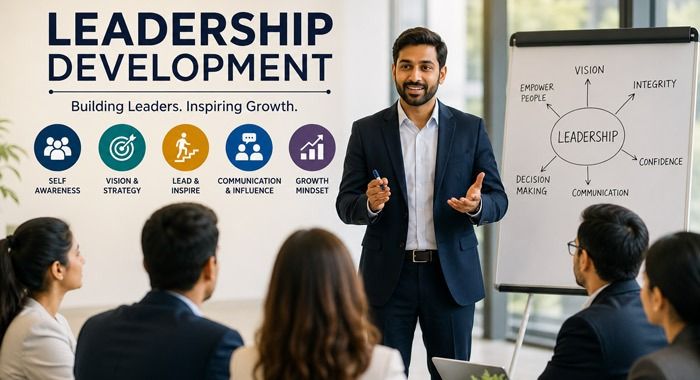
Leadership quality often determines organizational success.
HR consultants assess leadership capabilities through competency frameworks, psychometric assessments, executive coaching, and succession planning.
Leadership consulting focuses on developing:
Organizations increasingly recognize that investing in leadership development generates measurable returns through higher engagement, stronger innovation, and improved employee retention.
Business models evolve rapidly.
Organizations frequently restructure to improve efficiency, support acquisitions, or respond to changing markets.
HR consultants assist with:
Well-designed organizations eliminate duplication, clarify accountability, and improve operational agility.
Digital HR has become a major consulting practice.
Modern organizations increasingly implement integrated Human Capital Management (HCM) platforms that automate administrative tasks while providing real-time workforce insights.
HR consultants help organizations select, implement, and optimize:
Technology implementation requires significant change management, making consultant involvement essential for successful adoption.
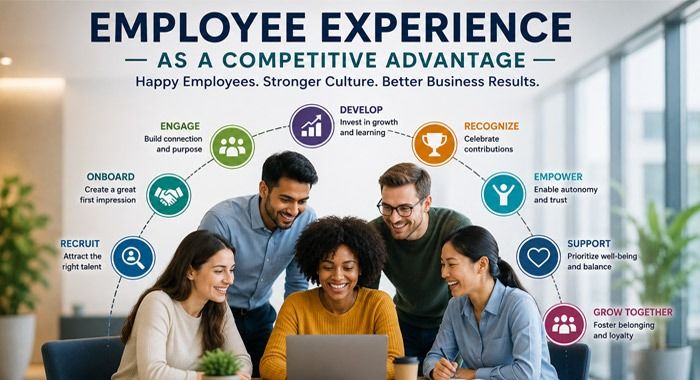
Employee experience has become one of the defining priorities of modern HR consulting.
Consultants analyze every stage of the employee journey:
Organizations that invest in employee experience often benefit from stronger retention, increased productivity, and improved employer reputation.
Inclusive workplaces consistently outperform organizations with limited workforce diversity.
HR consultants assist companies in developing:
Rather than treating DEI as a compliance requirement, consultants increasingly position it as a driver of innovation and business performance.
Transformation initiatives frequently fail because employees resist change rather than because strategies are flawed.
HR consultants support change initiatives through structured methodologies that include:
Effective change management significantly improves transformation outcomes.
Rapid technological evolution has shortened the shelf life of professional skills.
HR consultants design learning ecosystems that combine:
Continuous learning enables organizations to remain competitive while reducing dependence on external hiring.
Competitive compensation extends far beyond salary.
HR consultants evaluate:
A well-designed rewards strategy supports both employee satisfaction and organizational performance.
People analytics has transformed HR from intuition-based decision-making to evidence-based strategy.
Consultants use workforce data to measure:
Predictive analytics enables organizations to identify workforce risks before they become significant business issues.
Artificial intelligence is reshaping HR consulting.
AI now supports:
However, consultants emphasize responsible AI implementation, ensuring transparency, fairness, privacy, and human oversight.
As noted by Josh Bersin:
"AI won't replace HR professionals, but HR professionals who use AI will outperform those who don't."
This perspective reflects a growing consensus that AI should augment—not replace—human judgment in managing people.
HR consulting is no longer limited to multinational corporations.
Small and medium enterprises increasingly seek consulting support for:
Outsourced HR consulting allows growing businesses to access specialized expertise without maintaining large internal HR teams.
HR consultants consistently identify emerging workplace capabilities such as:
Future-ready organizations prioritize both technical expertise and human-centered capabilities.
Despite growing demand, HR consultants face several challenges.
These include:
Successful consultants combine technical knowledge with strong interpersonal skills and industry expertise.
Leadership experts consistently emphasize that organizational success begins with people.
Management thinker Peter Drucker famously observed: "Culture eats strategy for breakfast."
This widely cited insight reminds business leaders that even the strongest corporate strategies cannot succeed without an engaged, motivated, and well-supported workforce.
Similarly, Dave Ulrich has often emphasized the strategic role of HR: "HR is not about HR. HR begins and ends with the business."
His perspective reinforces the idea that human resources consulting should directly contribute to organizational performance rather than operate as an isolated function.
Several trends are expected to define the next decade of HR consulting:
Organizations that embrace these trends are likely to become more resilient, innovative, and competitive.
Human resources consulting has evolved into one of the most influential drivers of organizational transformation. In an era where technology changes rapidly but people remain central to innovation, effective HR consulting enables businesses to attract exceptional talent, develop capable leaders, build inclusive cultures, and prepare for future workforce challenges.
As companies continue navigating economic uncertainty, digital disruption, and changing employee expectations, the strategic importance of human capital will only grow. HR consultants serve not merely as advisors but as transformation partners—helping organizations align people, purpose, and performance.
The future of business belongs to organizations that recognize their workforce as a strategic asset rather than an operational cost. Human resources consulting provides the expertise, insights, and frameworks necessary to unlock that potential, ensuring sustainable growth in an increasingly competitive global economy.
We use cookies to ensure you get the best experience on our website. Read more...